Boat owners often underestimate how much seat upholstery affects everyday comfort on the water. Sun exposure, moisture, salt air, and frequent use place constant stress on seating surfaces. That is why choosing the right boat seat fabric is not just a design decision but a practical one that directly impacts durability, maintenance, and long-term satisfaction.
Unlike indoor furniture, marine seating lives in a demanding environment. Materials that look good on day one can quickly lose color, stretch, or crack if they are not designed for marine conditions. Understanding what really matters helps avoid costly replacements later.
Table of Contents
Why Marine Conditions Change Fabric Requirements
Boats face a unique combination of stress factors that standard upholstery fabrics are not built to handle. Even freshwater boats experience humidity, temperature swings, and prolonged sunlight.
Marine environments typically involve:
- Constant UV exposure that fades untreated fabrics
- Moisture buildup from spray, rain, and humidity
- Salt residue that accelerates material breakdown
- Frequent contact with sunscreen, food, and gear
A quality boat seat fabric is engineered to resist these challenges while maintaining its appearance and texture over time. This difference becomes noticeable after the first full season on the water.
Common Types of Boat Seat Fabric
There is no single best option for every boat. Usage style, storage conditions, and climate all play a role. However, several fabric categories consistently perform well in marine seating applications.
Vinyl remains one of the most popular choices due to its water resistance and ease of cleaning. Modern marine vinyls are far more breathable and flexible than older versions, reducing cracking and stiffness.
Woven marine fabrics are increasingly used for higher-end seating. These materials offer improved airflow and a softer feel, making them ideal for long cruising days. When properly treated, they also provide strong UV and mildew resistance.
Hybrid materials combine vinyl backing with textile surfaces. This approach balances comfort and durability, especially for boats used frequently in hot climates.
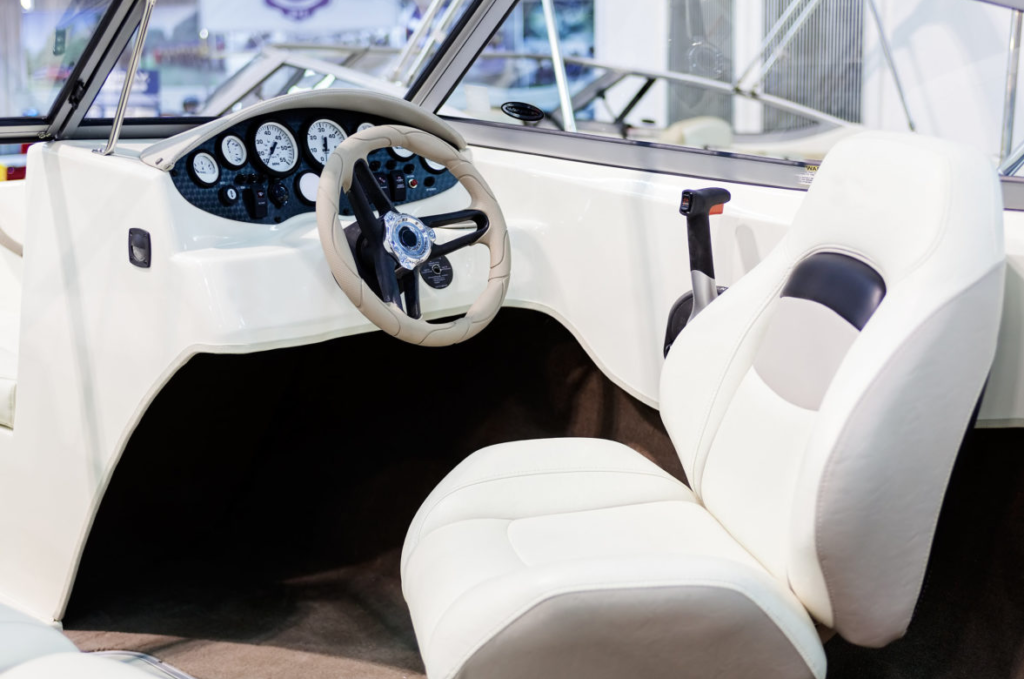
Matching Fabric Choice to Boat Use
How a boat is used should guide fabric selection more than appearance alone. Weekend cruising, fishing trips, and full-day outings all place different demands on seating.
For boats used mainly for short trips or fishing, durability and stain resistance often matter most. In this case, a thicker boat seat fabric with reinforced coatings provides better longevity.
Cruising and leisure boats benefit from softer materials that remain comfortable during extended seating. Breathability becomes especially important in warm regions where heat buildup can make vinyl uncomfortable.
Covered or indoor-stored boats have more flexibility in fabric options, while boats left uncovered need the highest level of UV protection available.
Maintenance and Long-Term Performance
Even the best materials require basic care. Fabric performance over time depends as much on maintenance habits as on initial material quality.
Simple practices that extend fabric life include:
- Rinsing seats with fresh water after use
- Wiping spills before they soak into seams
- Allowing cushions to dry fully before covering
- Using marine-safe cleaners instead of household chemicals
Choosing a high-quality boat seat fabric also reduces maintenance demands. Better materials resist staining and mildew, making routine cleaning quicker and less frequent.
Color, Texture, and Heat Considerations
Color choice affects more than aesthetics. Darker fabrics absorb more heat, which can make seating uncomfortable in direct sunlight. Lighter tones reflect heat better but may show dirt more easily.
Texture also plays a role. Smooth surfaces are easier to clean, while textured or woven fabrics improve grip and airflow. Many modern marine fabrics strike a balance, offering subtle texture without trapping dirt or moisture.
When selecting fabric, it helps to view samples outdoors rather than under showroom lighting. Sunlight reveals how colors truly behave on the water.
When Fabric Quality Makes the Biggest Difference
The true value of a good boat seat fabric becomes clear over time. Inferior materials often fail at seams first, stretch unevenly, or lose color in patches. These issues affect both appearance and comfort.
High-quality marine fabrics maintain tension, resist fading evenly, and age more gracefully. Even after years of use, they retain structure and feel supportive rather than worn out.
For boat owners planning to keep their vessel long term, investing in better fabric upfront often costs less than repeated repairs or replacements.
Final Thoughts on Boat Seat Fabric Selection
Boat seating is one of the most used and most visible parts of any vessel. The right fabric choice improves comfort, simplifies maintenance, and protects your investment season after season.
Selecting a proven boat seat fabric that matches your boating style and environment ensures seating that looks good, feels right, and performs reliably for years, and for professional solutions and material options, you can explore more details on the main page of our website.