Table of Contents
Understanding the Role of Boat Panel Systems
Boat interiors rely on more than upholstery and seating to feel complete and functional. Boat panel systems form the structural and visual backbone of many interior spaces, shaping cabins, seating bases, storage areas, and wall surfaces. Many of these systems are supplied and installed by boat panel system companies, which specialize in marine interior construction and panel solutions for different types of boats.
For boat owners in the United States, where vessels are often exposed to strong sunlight, humidity, salt air, and temperature changes, panel systems must perform consistently under demanding conditions. Modern solutions are designed to balance durability, weight, and ease of maintenance while supporting a wide range of boat types and usage patterns.
What Are Boat Panel Systems
Boat panel systems refer to modular or fixed interior panels used throughout a vessel’s interior. They may be installed on walls, bulkheads, ceilings, seating bases, and storage compartments. Unlike decorative finishes alone, these systems often combine multiple layers that serve both functional and aesthetic purposes.
A typical boat panel system may include:
- A structural backing layer
- Insulation or sound-dampening material
- A moisture-resistant core
- A finished surface layer
Together, these components create a system that supports interior comfort while protecting the boat’s structure from environmental stress.
Why Panel Systems Matter in Marine Environments
Marine conditions are uniquely challenging. Interior surfaces are exposed to humidity, condensation, vibration, and temperature swings that are far more intense than those in residential settings. Traditional materials often fail prematurely when used without marine-specific design considerations.
Boat panel systems are engineered to address these challenges by:
- Limiting moisture absorption
- Reducing warping and delamination
- Improving resistance to mold and mildew
- Supporting consistent fit over time
For American boat owners who store vessels outdoors or use them year-round, these characteristics are essential for long-term reliability.
Common Types of Boat Panel Systems
There is no single panel solution suitable for every boat. Different systems are used depending on boat size, interior layout, and intended use.
Rigid Composite Panels
Rigid composite panels are commonly used in cabins and enclosed spaces. They provide strong structural support while remaining lighter than traditional wood-based panels.
Advantages include:
- High strength-to-weight ratio
- Resistance to moisture and rot
- Consistent thickness and shape
- Compatibility with modular installations
These panels are often used behind upholstered surfaces or as finished panels in modern interiors.
Marine Plywood Panel Systems
Marine-grade plywood remains a popular choice, especially in refit projects. When properly sealed and installed, it offers durability and flexibility.
Key benefits:
- Proven performance in marine settings
- Easy customization and shaping
- Compatibility with various finishes
However, plywood systems rely heavily on proper sealing and installation quality to prevent long-term moisture issues.
Foam-Core Panel Systems
Foam-core panels are increasingly common in modern boat interiors. They use a lightweight core combined with durable surface layers.
Benefits include:
- Reduced overall weight
- Improved insulation
- Better sound dampening
- Easier handling during installation
These systems are often used in performance boats and modern cruising vessels where weight reduction is a priority.
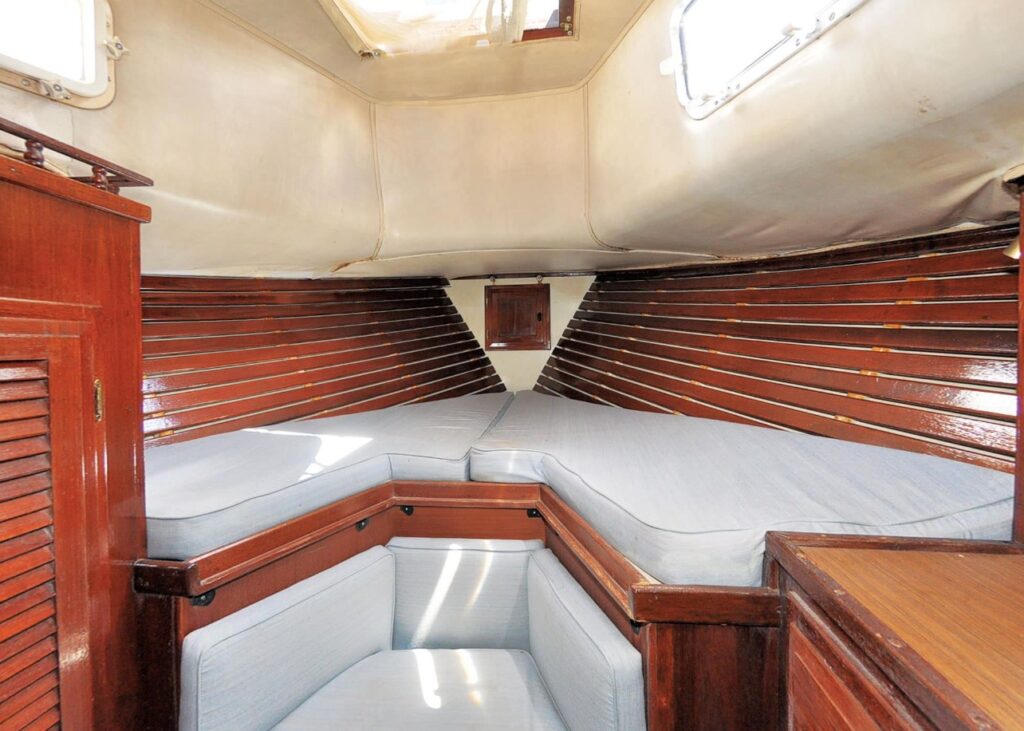
Materials Used in Modern Boat Panel Systems
Material selection defines how well a panel system performs over time. Modern systems focus on consistency, stability, and resistance to marine stress.
Common materials include:
- PVC-based composite cores
- Fiberglass-reinforced surfaces
- Closed-cell foam insulation
- Moisture-resistant laminates
Each material serves a specific function within the system, and performance depends on how well these layers work together.
Moisture Control and Ventilation
One of the primary reasons boat panel systems fail is trapped moisture. Condensation behind panels can lead to mold, odor, and structural damage if not properly managed.
Effective panel systems incorporate:
- Breathable backing layers
- Strategic ventilation gaps
- Moisture-resistant adhesives
- Non-absorbent core materials
In humid regions such as Florida, the Gulf Coast, and parts of the West Coast, these features are especially important.
Sound and Thermal Insulation Benefits
Boat interiors are exposed to engine noise, wave impact, and temperature fluctuations. Panel systems play a key role in controlling these factors.
Properly designed boat panel systems can:
- Reduce engine and mechanical noise
- Improve cabin temperature stability
- Minimize vibration transfer
- Increase overall onboard comfort
These benefits are particularly valuable on cruising boats and vessels used for extended trips.
Modular Panel Systems and Serviceability
Modern boat interiors increasingly rely on modular panel systems. Instead of permanently fixed panels, modular designs allow sections to be removed or serviced independently.
Advantages of modular systems include:
- Easier access to wiring and plumbing
- Simplified repairs and upgrades
- Reduced labor costs during refits
- Less disruption to surrounding components
For American boat owners who prioritize long-term maintenance efficiency, modular systems offer practical advantages.
Installation Quality and Long-Term Performance
Even the most advanced materials can underperform if installed incorrectly. Proper installation is critical to the success of boat panel systems.
Professional installation typically focuses on:
- Stable and level mounting surfaces
- Correct fastener spacing
- Consistent panel alignment
- Proper adhesive selection
Layered installation methods help distribute stress evenly and reduce the risk of cracking or separation over time.
Panel Systems in New Builds vs Refits
Boat panel systems are used differently in new construction compared to refit projects.
In new builds, panels are often integrated early in the design process, allowing for seamless installation and optimized layouts. In refits, panel systems must adapt to existing structures, wiring paths, and access limitations.
Refit-focused panel systems prioritize:
- Custom sizing and shaping
- Compatibility with existing components
- Minimal structural modification
This flexibility makes modern panel solutions well suited for updating older boats without major reconstruction.
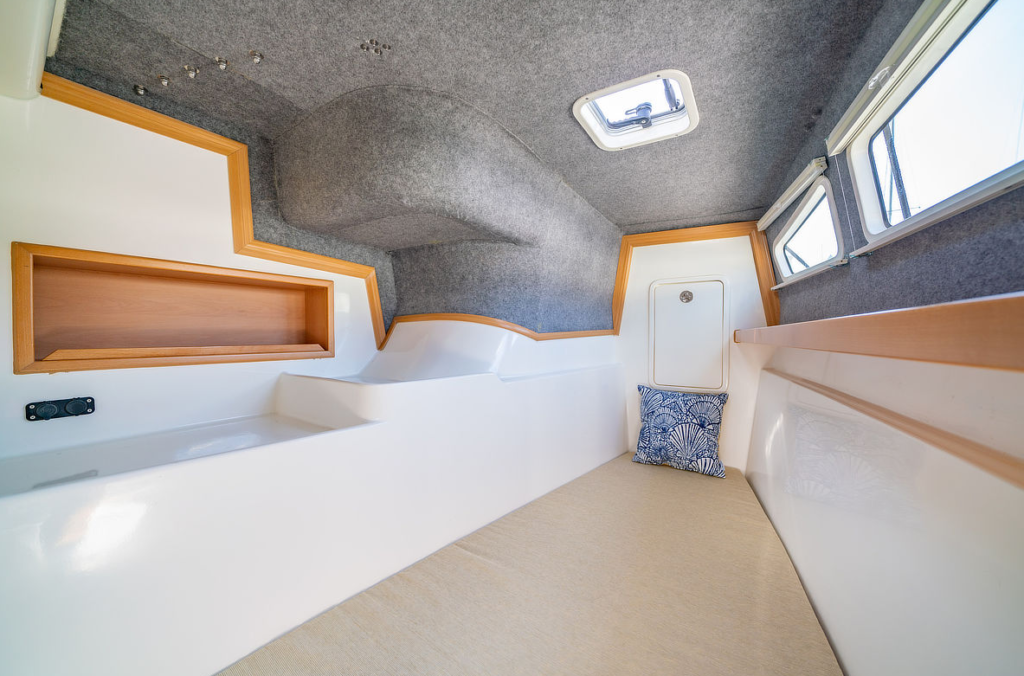
Design Trends in Boat Panel Systems
Interior design trends influence panel system development. American boat owners increasingly prefer interiors that feel clean, open, and easy to maintain.
Current trends include:
- Lighter panel finishes to enhance brightness
- Textured surfaces for visual depth
- Hidden fasteners for a cleaner look
- Seamless transitions between panels and upholstery
These design choices improve both aesthetics and perceived interior quality.
Weight Management and Fuel Efficiency
While often overlooked, interior weight affects overall boat performance. Heavier interiors increase fuel consumption and reduce efficiency.
Lightweight boat panel systems help:
- Improve fuel efficiency
- Reduce overall vessel weight
- Enhance handling and stability
This is particularly relevant for performance boats and long-distance cruisers.
Choosing the Right Boat Panel System
Selecting the right system depends on several factors, including boat type, usage patterns, and environmental exposure.
Key considerations include:
- Climate and storage conditions
- Interior layout and access needs
- Desired balance between durability and weight
- Long-term maintenance expectations
Professional consultation can help match panel systems to specific use cases.
Long-Term Value and Maintenance
Boat panel systems contribute significantly to long-term value. Well-designed systems age more predictably and require fewer repairs.
Benefits include:
- Reduced interior degradation
- Easier cleaning and upkeep
- Improved resale appeal
- Lower long-term maintenance costs
These advantages make panel systems a smart investment rather than a cosmetic upgrade.
Final Thoughts
Boat panel systems are a foundational element of modern marine interiors. By supporting structure, comfort, insulation, and design, they influence nearly every aspect of onboard experience. For boat owners in the United States, choosing the right panel system means better durability, easier maintenance, and a more comfortable interior over time. With proper materials, thoughtful design, and professional installation, modern panel systems offer lasting value and reliable performance. For more expert insights and marine interior solutions, visit here.