Essential Custom Marine Upholstery Guide for 2026
Custom marine upholstery focuses on adapting interior and exterior soft surfaces to the specific needs of a vessel rather than relying on standard, one-size solutions. Professionals in the marine industry often note that customization improves comfort, usability, and long-term performance, especially in environments where boats are exposed to sun, moisture, and constant motion.
Unlike factory upholstery, custom solutions take into account how a boat is used, where it operates, and how its interior layout supports daily activity onboard. As a result, custom marine upholstery often delivers better fit, improved durability, and a more consistent interior appearance over time.
Table of Contents
What Defines Custom Marine Upholstery
Custom marine upholstery is not limited to visual design. It involves a detailed evaluation of materials, construction methods, and installation techniques tailored to a specific vessel.
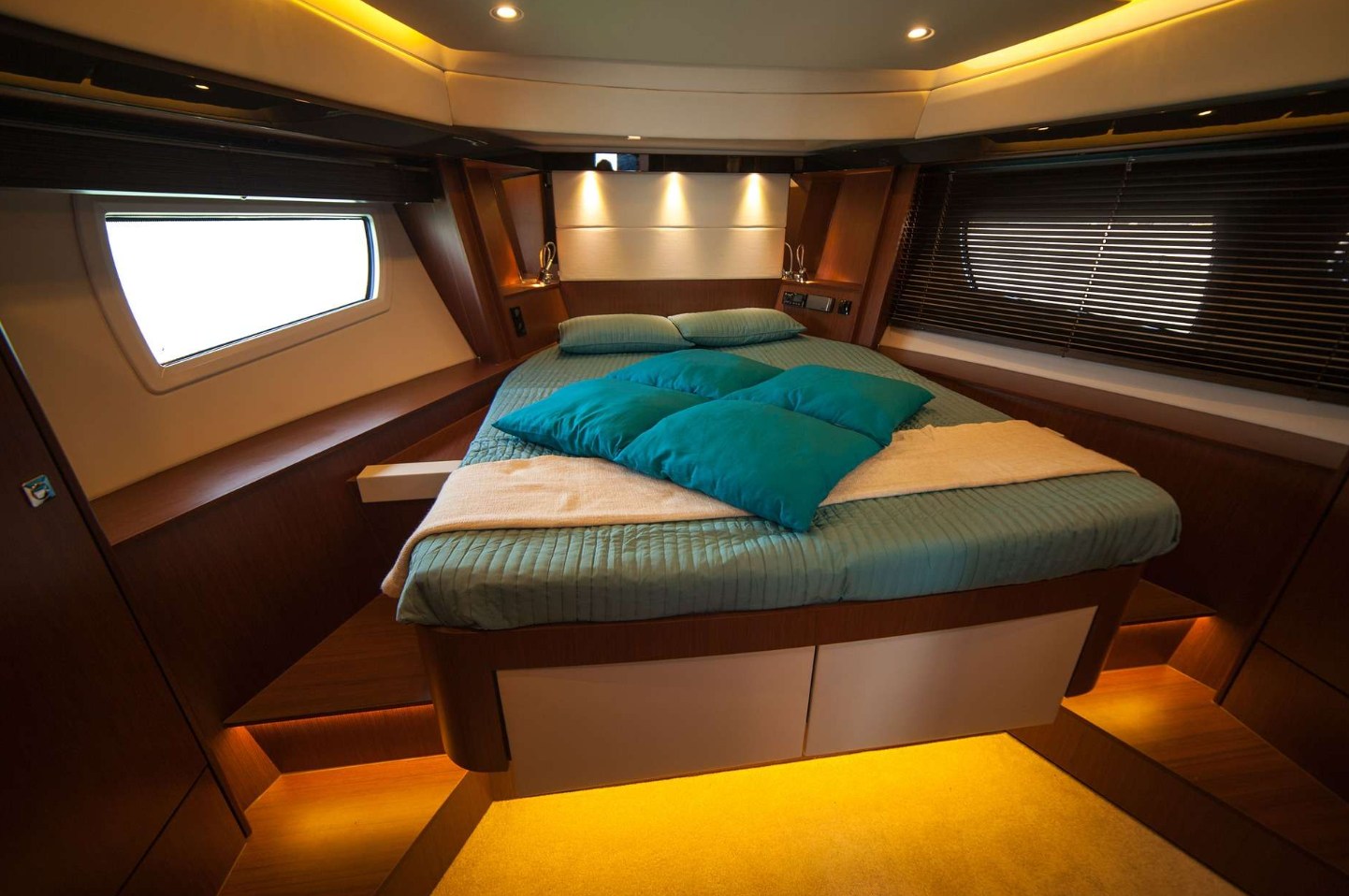
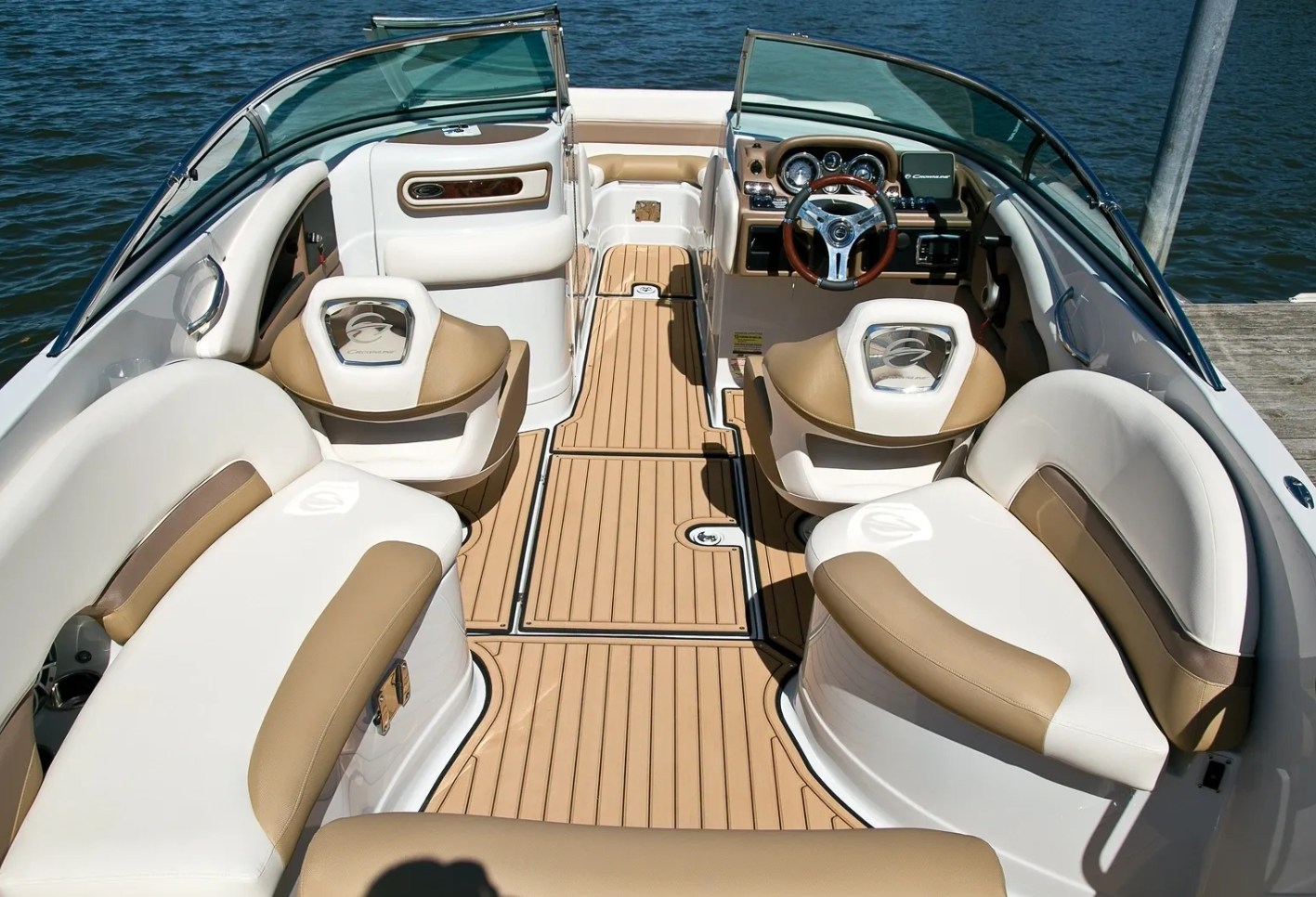
Typical custom upholstery projects include seating, cushions, wall panels, berth padding, headliners, and protective bolsters. Rather than replacing individual pieces in isolation, professionals often approach these projects as part of a complete interior system.
Key elements that distinguish custom marine upholstery include:
- Precise fitting based on boat dimensions
- Material selection matched to climate and usage
- Foam density adjusted for comfort and support
- Stitching and backing designed for marine conditions
This level of customization allows upholstery to perform reliably under real-world conditions.
Material Choices and Performance
Material selection is one of the most important aspects of custom marine upholstery. Marine-grade vinyl remains a popular choice for exterior seating due to its resistance to UV exposure, moisture, and staining. However, interior areas may benefit from breathable marine fabrics that improve comfort and reduce condensation buildup.
Behind the surface material, foam quality plays a critical role. Custom upholstery commonly incorporates:
- Closed-cell or quick-dry foam to limit water absorption
- Multi-layer foam construction for improved support
- Moisture-resistant backing materials
These components work together to maintain shape and comfort while reducing the risk of mildew and odor.
Custom Upholstery Based on Boat Usage
Boat usage has a direct impact on upholstery design decisions. Leisure-focused boats often prioritize comfort and appearance, while vessels used for fishing, diving, or charter operations require more durable and easy-to-maintain materials.
Custom marine upholstery allows professionals to adjust construction based on:
- Frequency of use
- Exposure to sun and water
- Storage conditions
- Passenger traffic levels
By aligning upholstery design with actual usage, interiors remain functional longer and require fewer repairs.
Installation Methods and Structural Support
Even well-designed upholstery can fail if installation is not handled correctly. Custom marine upholstery relies on precise installation methods that support long-term stability.
Professionals typically focus on:
- Proper surface preparation before installation
- Even material tension to prevent sagging
- Marine-rated adhesives suited for heat and moisture
- Stable backing surfaces that support upholstery structure
Layered construction methods are often used to reinforce these steps. Insulation and moisture-control layers help distribute stress and protect underlying surfaces. Modular installation techniques are also common, allowing individual sections to be serviced without disturbing surrounding areas.
Maintenance and Long-Term Care
Custom marine upholstery benefits from consistent maintenance. Simple care routines help preserve both appearance and performance.
Recommended practices include:
- Rinsing upholstery after saltwater exposure
- Cleaning with marine-safe products
- Applying UV protectants to slow fading
- Inspecting seams and foam for early wear
Addressing minor issues early helps prevent more extensive repairs later.
Why Custom Solutions Matter Over Time
Custom marine upholstery offers long-term value by addressing the specific demands placed on a vessel. Instead of adapting standard materials to challenging conditions, customization allows upholstery to be designed with those conditions in mind from the start.
This approach improves comfort, supports durability, and maintains a consistent interior environment even with regular use.
Conclusion
Custom marine upholstery is a practical investment in comfort, durability, and interior performance. By tailoring materials, construction methods, and installation techniques to a specific vessel, upholstery becomes more resilient and easier to maintain.
When designed around real usage and marine conditions, custom upholstery supports a better onboard experience and long-term reliability.
For more details on professional marine upholstery and how it can improve both comfort and durability, visit here