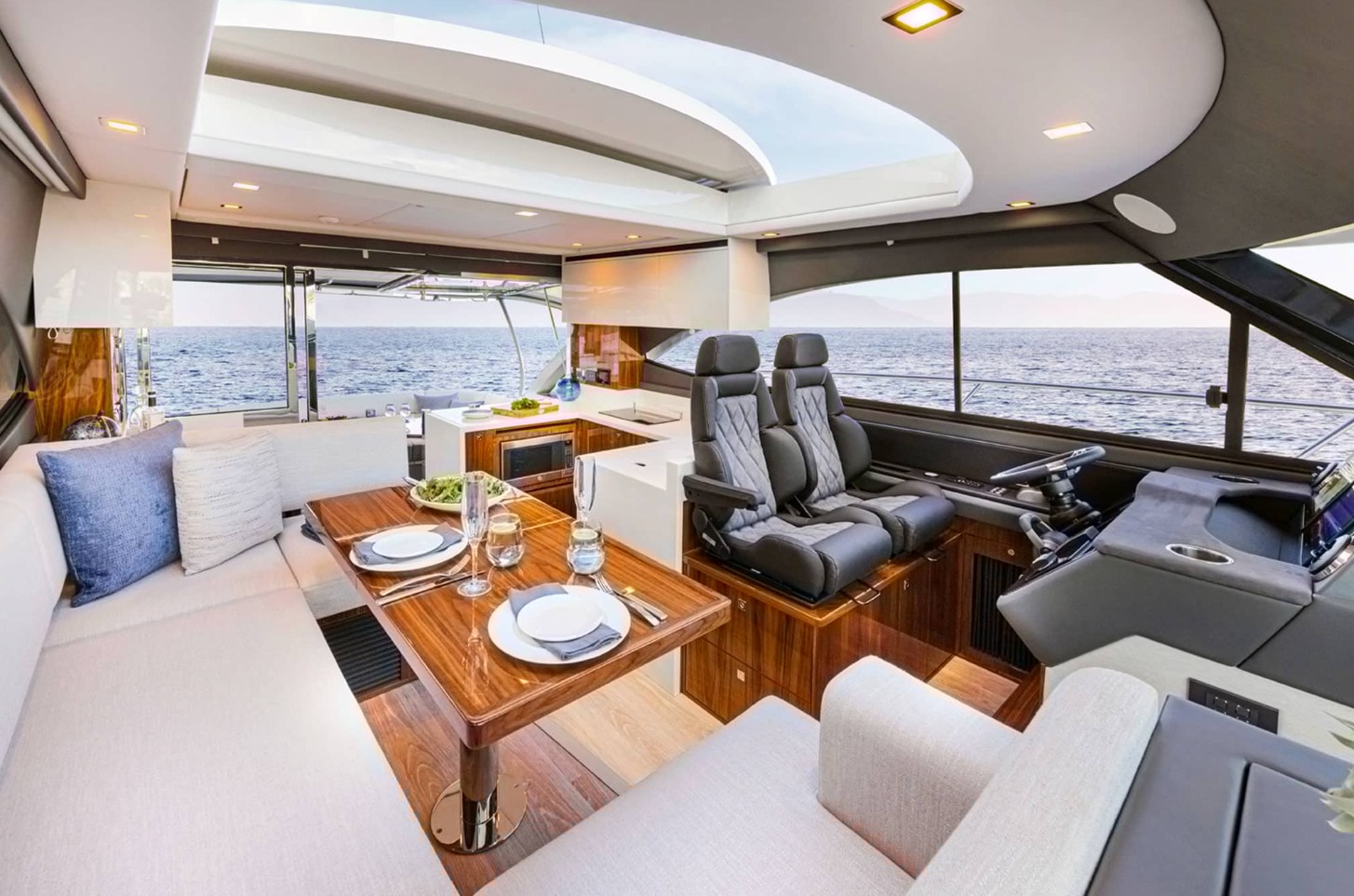
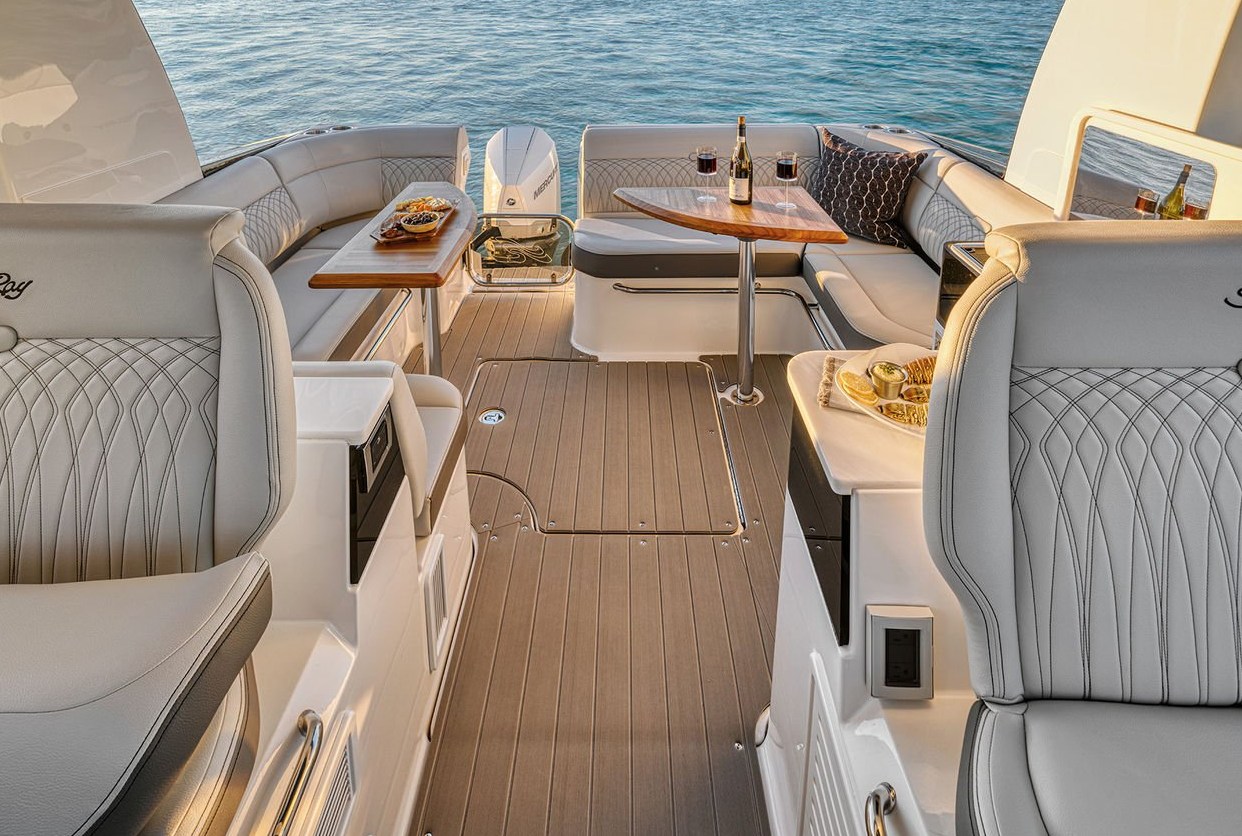
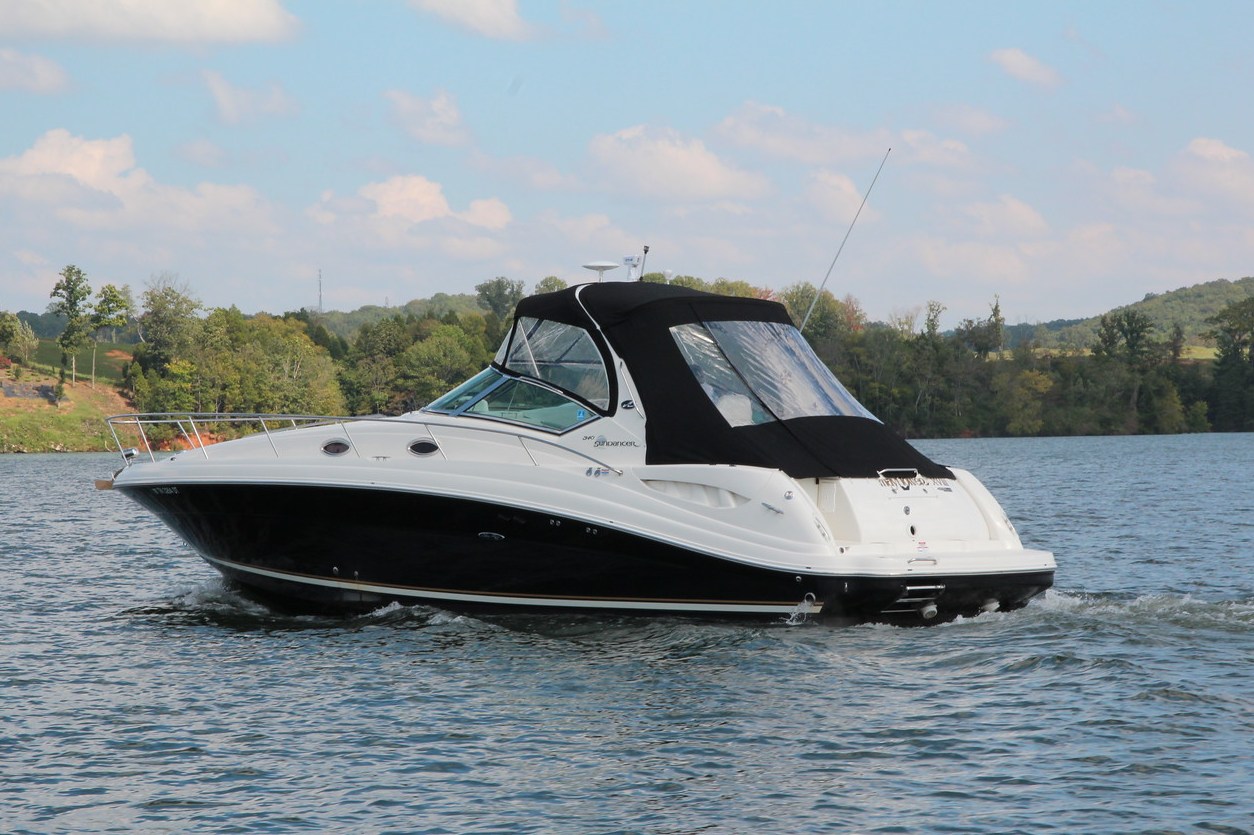
Trusted Upholstery Boat Seats Solutions for Better Onboard Comfort
Comfort and usability onboard depend heavily on seating quality, and upholstery boat seats are one of the most important elements of a boat’s interior. While engines and electronics often receive the most attention, seating directly affects how long owners and passengers can remain comfortable on the water. Proper upholstery improves support, protects seat structures, and extends the overall lifespan of boat seating.
Table of Contents
Why Upholstery Matters for Boat Seats
Boat seats are exposed to constant stress. Sunlight, moisture, vibration, and repeated use all take a toll on materials. Without proper upholstery, seats quickly lose shape, become uncomfortable, and may even damage the underlying structure.
High-quality upholstery boat seats are designed to absorb movement, distribute weight evenly, and resist environmental damage. This makes a noticeable difference during long hours at the helm or extended time spent onboard. Comfort is not only about softness but also about stability and ergonomic support.
Materials Used in Upholstery Boat Seats
Material selection plays a major role in how boat seats perform over time. Marine environments require materials that can handle harsh conditions without degrading.
Common materials include:
- Marine-grade vinyl that resists UV exposure and moisture
- Breathable marine fabrics that stay cooler in direct sunlight
- High-density or closed-cell foam that maintains shape
- Reinforced stitching and backing for structural strength
Foam quality is especially important. Low-density foam compresses quickly and leads to sagging seats, while higher-density foam provides better support and longevity. Some seats use layered foam construction to balance comfort and firmness.
Comfort, Support, and Seat Design
Comfort in upholstery boat seats depends on more than just materials. Seat design plays a critical role in long-term usability. Proper seat depth, cushion thickness, and contouring help reduce pressure points and fatigue.
Helm seats often require firmer support to maintain posture and control, while passenger seating may prioritize comfort and flexibility. Armrests, bolsters, and backrest angles also influence how supportive a seat feels during operation.
Well-designed upholstery enhances both comfort and safety by helping occupants remain stable during movement or changing water conditions.

Installation Quality and Fit
Even the best materials can underperform if installation is poorly executed. Upholstery boat seats must be installed with consistent tension and secure attachment points. Loose or uneven upholstery leads to premature wear and reduced comfort.
Professional installation focuses on:
- Proper surface preparation before upholstery application
- Even tension across all seating areas
- Secure fastening to prevent shifting
- Stable backing to support foam and fabric
Custom-fit upholstery ensures that seats align perfectly with their frames, improving appearance and performance. Poorly fitted seats often show wrinkles, sagging, or uneven wear over time.
Maintenance and Care Practices
Regular maintenance significantly extends the life of upholstery boat seats. Marine environments accelerate wear if materials are neglected.
Recommended care practices include:
- Rinsing seats with fresh water to remove salt residue
- Cleaning with marine-safe products
- Allowing seats to dry fully after use
- Inspecting seams and foam for early signs of damage
Seasonal deep cleaning and protective treatments help prevent fading and cracking. Proper off-season storage also reduces exposure to harmful elements.
When to Repair or Replace Upholstered Seats
Over time, even well-maintained upholstery boat seats will show signs of wear. Common indicators include loss of firmness, visible cracks, seam separation, or persistent moisture odors. Addressing these issues early prevents damage to seat frames and improves overall comfort.
Replacing or upgrading seat upholstery can dramatically improve a boat’s interior without requiring major structural changes. Modern materials and improved construction methods offer better durability and comfort compared to older upholstery.
Long-Term Value of Quality Upholstery
Investing in high-quality upholstery boat seats provides long-term benefits. Comfortable seating reduces fatigue, improves control, and enhances the overall boating experience. Durable materials and proper installation lower maintenance costs and extend replacement intervals.
For private boat owners, upholstery is not a cosmetic detail. It is a functional component that supports comfort, safety, and long-term enjoyment on the water. Thoughtful material selection and consistent care ensure that upholstered seats remain reliable for years.
For more guidance and expert information on upholstery boat seats, start here.