Proven Boat Cushions Guide for Comfort and Durability
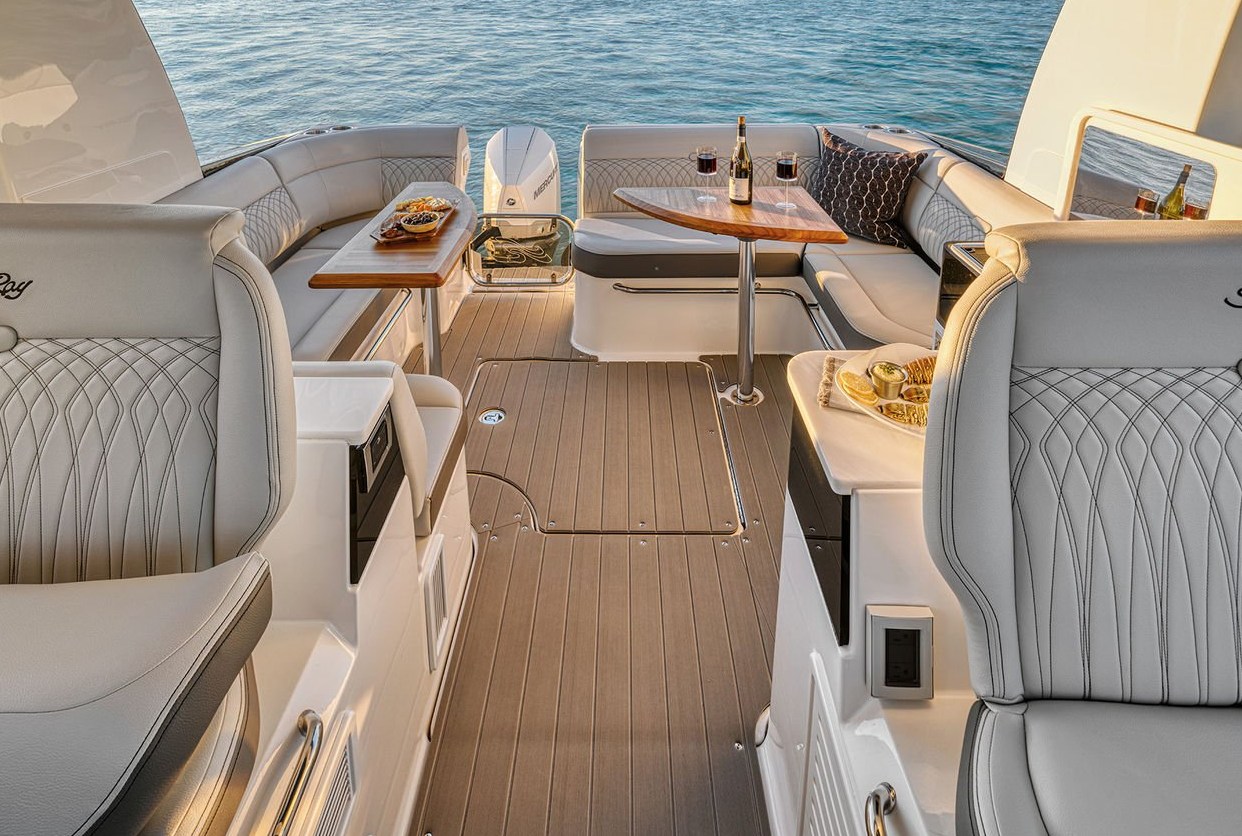
Comfort onboard depends heavily on seating quality, and boat cushions are one of the most overlooked components of a boat’s interior. Owners often focus on engines, electronics, or exterior finishes, while seating comfort is addressed only when problems appear. However, properly designed cushions directly affect posture, fatigue, and long-term usability of a boat, especially during extended time on the water.
Table of Contents
The Real Purpose of Boat Cushions
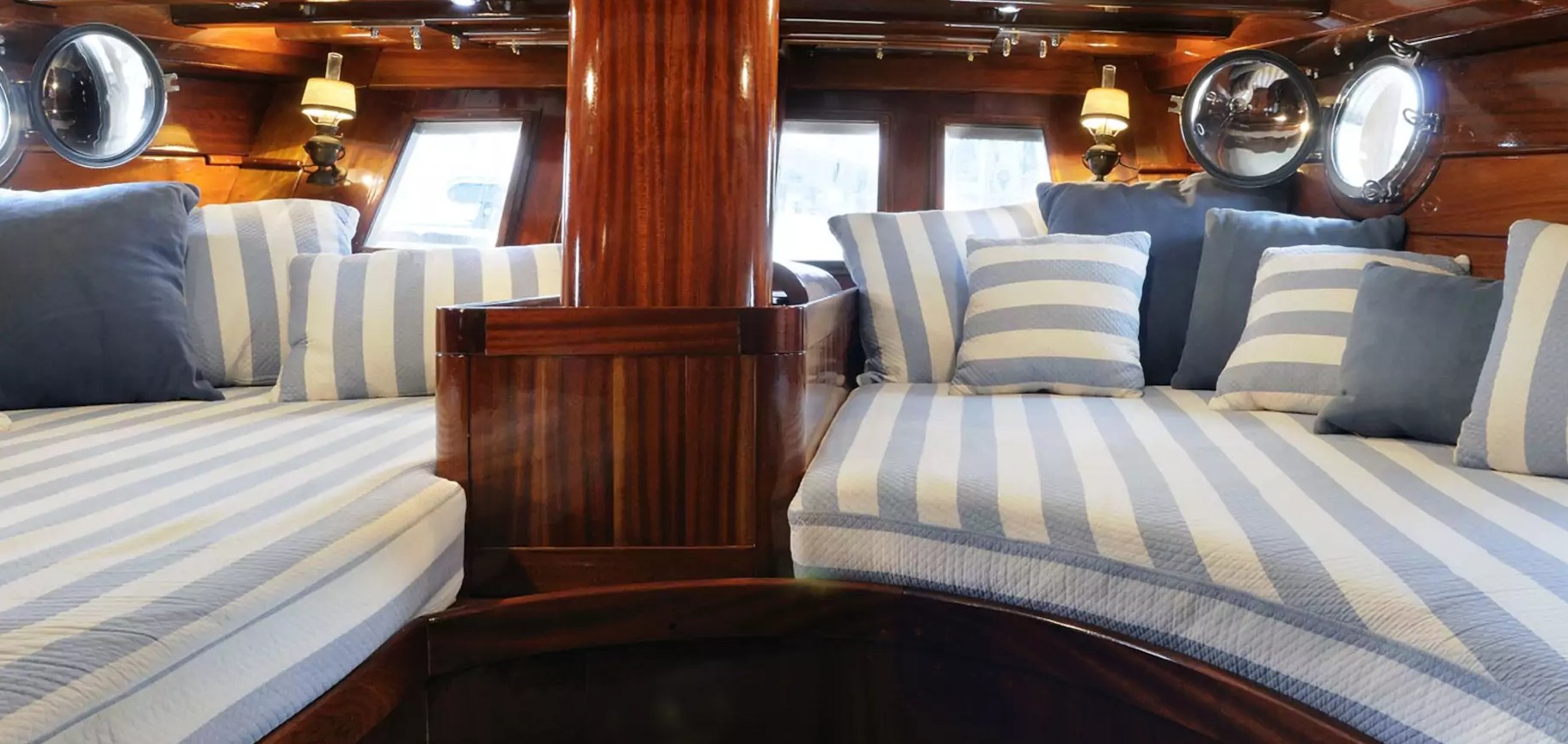
Boat cushions are not just soft surfaces to sit on. They serve several practical functions that go beyond appearance. Cushions absorb vibration, reduce pressure on joints, and provide insulation from heat and cold. Poor-quality cushions can quickly become uncomfortable, lose shape, or trap moisture, leading to mold and material breakdown.
Well-constructed cushions support the body evenly and remain stable under movement. This becomes especially important when operating at varying speeds or in changing water conditions. Over time, good cushions also protect seating bases and underlying structures from wear.
Cushion Materials and Construction
The performance of boat cushions depends largely on the materials used inside and outside. Marine environments require materials that can handle sun exposure, moisture, and frequent use.
Common cushion components include:
- Marine-grade vinyl designed to resist UV damage and water
- Breathable marine fabrics that stay cooler in direct sunlight
- Closed-cell or high-density foam that maintains shape
- Reinforced backing and stitching for added durability
Foam quality is especially important. Low-density foam compresses quickly and loses support, while higher-density options maintain comfort over longer periods. Some cushions use layered foam construction to balance softness and structural support.
Comfort Versus Durability
Boat owners often face a trade-off between softness and longevity. Extremely soft cushions may feel comfortable at first but tend to compress and wear out faster. Firmer cushions provide better long-term support, especially for helm seats and frequently used seating areas.
Choosing the right balance depends on how the boat is used. Casual seating areas may benefit from slightly softer cushions, while operational seats require firmness and stability. Understanding this difference helps owners make smarter decisions when upgrading or replacing boat cushions.
Fit and Cushion Design
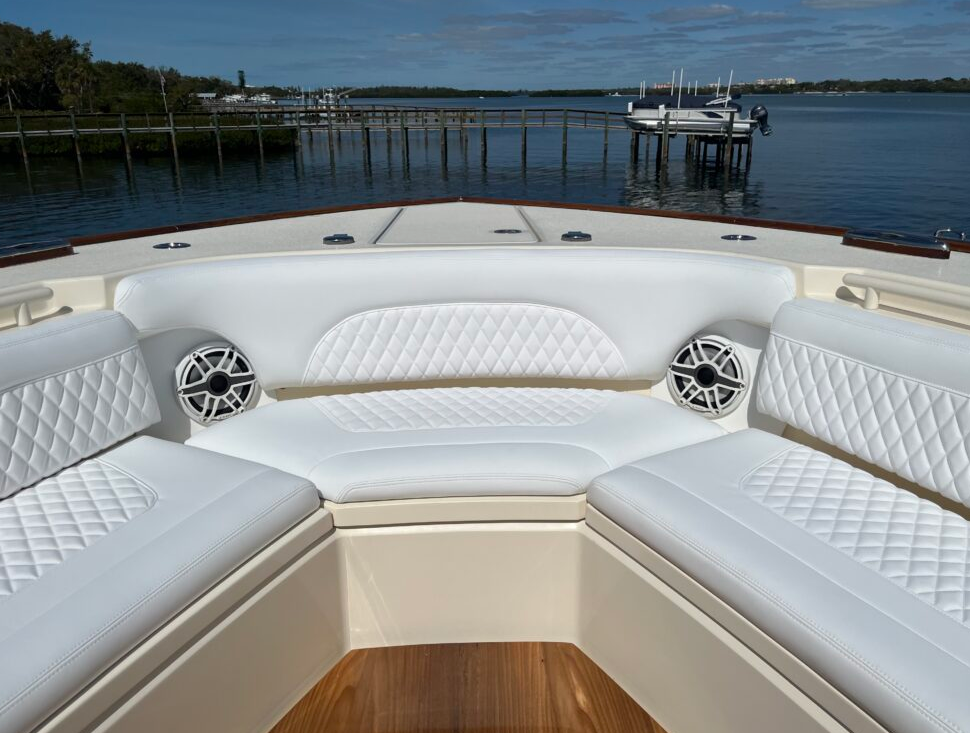
Proper fit is just as important as material quality. Ill-fitting cushions shift during movement, create uneven pressure, and reduce comfort. Custom-fit cushions follow the exact dimensions of seating areas, improving both appearance and functionality.
Design details also matter. Rounded edges, proper thickness, and contoured shapes enhance comfort without compromising durability. In enclosed areas, ventilation gaps or breathable materials help reduce moisture buildup beneath the cushions.
Maintenance and Care Practices
Even the best boat cushions require regular care. Without maintenance, exposure to sun and moisture can shorten their lifespan significantly.
Basic care practices include:
- Rinsing cushions with fresh water to remove salt residue
- Cleaning with marine-safe products to prevent surface damage
- Allowing cushions to dry fully before storage
- Inspecting seams and foam for early signs of wear
Seasonal deep cleaning and occasional conditioning help preserve both appearance and performance. Proper storage during off-seasons also plays a major role in extending cushion life.
When to Replace Boat Cushions
Boat cushions do not last forever. Signs that replacement may be necessary include loss of shape, uneven support, visible cracking, or persistent odors caused by trapped moisture. Replacing cushions at the right time prevents damage to seating structures and improves overall comfort.
Upgrading cushions can also modernize a boat’s interior without major renovations. New materials, improved foam technology, and better construction methods offer noticeable improvements compared to older designs.
Long-Term Value of Quality Cushions
Investing in quality boat cushions pays off over time. Comfortable seating improves usability, reduces fatigue, and enhances the overall boating experience. Durable materials and proper construction lower maintenance needs and replacement frequency.
For private boat owners, cushions are not just accessories. They are functional components that support comfort, safety, and long-term enjoyment on the water. Thoughtful selection and regular care ensure that boat cushions remain reliable and comfortable for years to come.
For more tips and expert advice on boat cushions, check out here.