Boat construction and interior systems are increasingly shaped by material innovation. Smart marine materials represent a growing category of engineered solutions designed to respond better to harsh marine environments. Unlike traditional materials, these advanced options focus on performance, longevity, and adaptability rather than appearance alone.
As boat owners and manufacturers demand interiors and components that last longer with less maintenance, smart materials are becoming a practical response to real-world challenges such as UV exposure, moisture, temperature changes, and constant mechanical stress.
Table of Contents
What Makes Marine Materials “Smart”
Smart marine materials are not defined by a single feature. Instead, they combine multiple performance characteristics into one system. These materials are engineered to react predictably to environmental conditions while maintaining structural and visual integrity.
Key characteristics often include:
- Enhanced UV resistance to slow fading and surface breakdown
- Moisture management properties that reduce absorption and mildew
- Improved flexibility to prevent cracking under temperature changes
- Surface coatings that simplify cleaning and maintenance
Rather than solving one problem at a time, smart marine materials address multiple issues simultaneously, making them well suited for long-term marine use.
Applications Across Boat Interiors and Structures
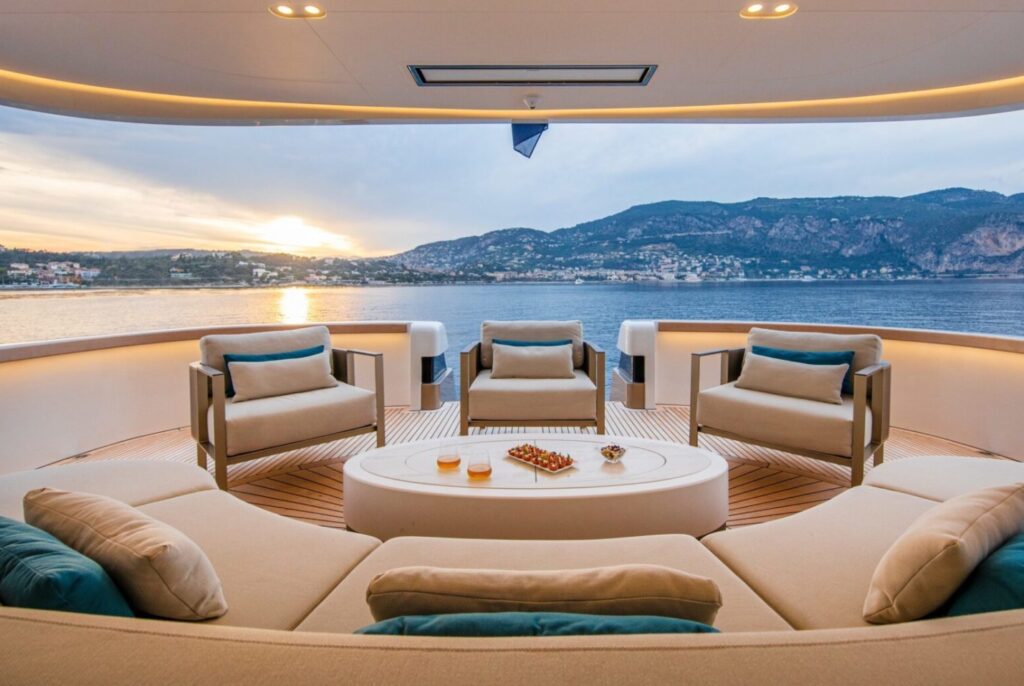
The adoption of smart marine materials is especially noticeable in seating systems, interior panels, and soft-touch surfaces. These areas experience the highest levels of wear and environmental exposure.
Common applications include:
- Upholstery surfaces designed to regulate heat and reduce surface temperature
- Foam systems that retain shape and support over extended use
- Interior panels with layered construction for moisture control
- Protective coatings applied to fabrics and vinyls for extended durability
By improving material behavior at a structural level, these solutions reduce the frequency of repairs and replacements.
Performance Benefits in Real Marine Conditions
Traditional marine materials often degrade gradually, making damage easy to overlook until it becomes severe. Smart materials are designed to slow this degradation process and provide more consistent performance over time.
Benefits include:
- Longer service life under continuous sun exposure
- Reduced risk of delamination or surface cracking
- More stable cushioning and seating comfort
- Lower maintenance requirements throughout the season
These advantages are especially valuable for boats used frequently or stored outdoors for extended periods.
Sustainability and Material Efficiency
Another important aspect of smart marine materials is efficiency. Many modern material systems aim to reduce waste by lasting longer and requiring fewer replacements. Some materials also incorporate recycled components or production methods that lower environmental impact.
While sustainability alone is not always the primary motivation, durability and reduced material turnover naturally support more responsible use of resources. This aligns with broader industry trends toward efficiency and long-term planning.
Installation and System Integration
Even the most advanced materials require proper installation to perform as intended. Smart marine materials are often designed to work as part of a complete system, including backing layers, adhesives, and support structures.
Installers typically focus on:
- Correct surface preparation for consistent bonding
- Layered construction to control moisture and airflow
- Precise tensioning to avoid stress points
- Modular layouts that allow easier future servicing
When integrated correctly, these systems deliver consistent performance and predictable aging characteristics.
Looking Ahead
As marine design continues to evolve, smart marine materials are expected to play a larger role in both new builds and refit projects. Designers increasingly prioritize materials that deliver consistent long-term performance instead of requiring frequent upkeep. The focus is shifting toward solutions that enhance comfort, durability, and efficiency under real marine conditions, setting new benchmarks for reliability in modern boat design.
Final Thoughts
Smart marine materials represent a practical advancement in how boats are built and maintained. By combining durability, adaptability, and system-based design, these materials help extend service life while improving everyday onboard experience. For more technical insights and updates on marine material innovations, visit here.