Comfort and functionality onboard depend heavily on seating design. Boat seating systems are more than just surfaces to sit on they provide support, stability, and durability for long hours on the water. Choosing the right system improves comfort, reduces fatigue, and ensures passengers remain safe even in choppy conditions.
Modern boats use a variety of seating configurations, from fixed bench seats to modular and swivel options. Understanding how each system works helps owners select seating that matches their boating style and needs.
Table of Contents
Types of Boat Seating Systems
Boat seating systems vary in design, materials, and functionality. The main categories include:
- Fixed bench seats: Durable and space-efficient, ideal for family or fishing boats. They provide stable seating and can include built-in storage underneath for gear or supplies.
- Swivel seats: Offer flexibility for helm or passenger seating, allowing easy rotation for better visibility or interaction onboard. They are especially useful for navigation and active boating.
- Modular seating systems: Allow reconfiguration or easy removal for cleaning and storage. This makes them versatile for larger boats or vessels used for multiple activities.
- Fold-down or convertible seats: Save space and adapt to different onboard activities. They can transform seating into lounging areas or open deck space when needed.
Each system has advantages depending on the boat’s size, layout, and intended use. Choosing the right type ensures that boat seating systems provide comfort, functionality, and long-term reliability.
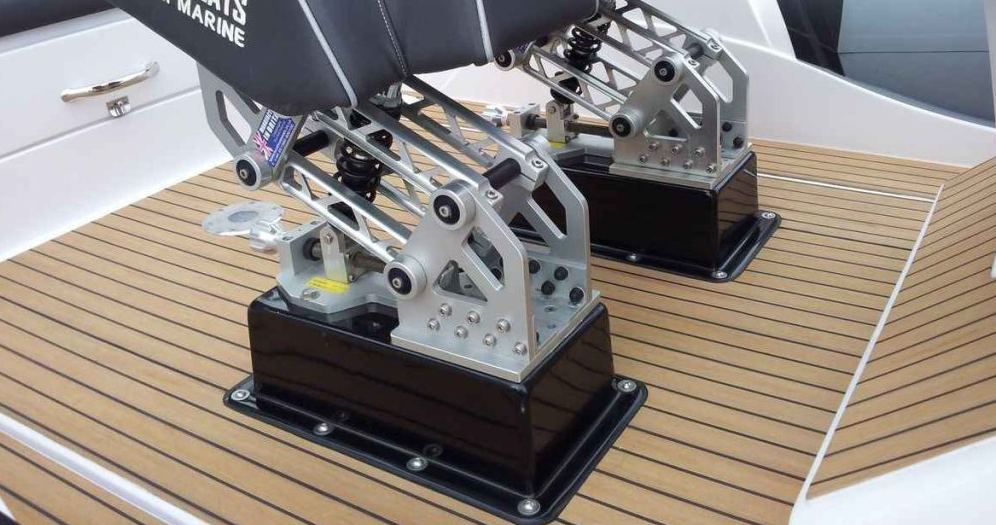
Materials and Construction Considerations
The performance and longevity of boat seating systems depend heavily on the quality of materials and construction. Marine environments are harsh sunlight, moisture, salt, and frequent use all place stress on seats. Choosing the right combination of materials ensures that seating remains comfortable, durable, and safe over time.
Common elements in high-quality seating systems include:
- Marine-grade vinyl or fabric: Specifically designed to resist fading, cracking, and mildew. These materials also withstand repeated exposure to sun and water without losing their texture or appearance.
- High-density or closed-cell foam: Provides firm support while maintaining shape over years of use. This type of foam resists compression and sagging, which is especially important for frequently used seating areas.
- Stainless steel or corrosion-resistant frames: Ensure the underlying structure remains strong and stable, even in humid or saltwater conditions. Corrosion-resistant materials prevent wobbling or frame failure over time.
- Reinforced stitching and durable adhesives: Protect seams and attachments from early wear, keeping cushions and panels secure and aligned.
Properly constructed boat seating systems not only improve comfort but also extend the life of the boat’s interior. When materials and construction are carefully selected, maintenance becomes easier, and long-term costs are reduced. High-quality systems withstand regular use while retaining both their look and functionality, making every trip more enjoyable.
Ergonomics and Comfort Design
Comfort is critical in seating systems. Even the highest-quality materials fail to deliver if seat dimensions, cushioning, and support are poorly designed. Key ergonomic considerations include:
- Seat height and depth suitable for most passengers
- Adequate lumbar support to reduce fatigue during long trips
- Cushions that balance softness with stability
- Proper drainage and ventilation to prevent moisture buildup
Boat seating systems that incorporate ergonomic principles provide better posture, reduce discomfort, and enhance overall enjoyment on the water.
Installation and Maintenance Tips
Even the best seating system performs poorly if installed incorrectly. Proper alignment, secure mounting, and attention to tension on upholstered surfaces are essential. Modular systems allow for easier service and adjustments over time.
Maintenance practices include:
- Rinsing seats with fresh water after exposure to salt or debris
- Cleaning with marine-safe products to maintain fabric and vinyl
- Checking frames and fasteners for corrosion or loosening
- Inspecting foam and seams periodically for early signs of wear
Following these steps preserves the seating system’s function, appearance, and safety.
Upgrading or Replacing Boat Seating Systems
Owners may consider upgrading when current seating is uncomfortable, damaged, or outdated. Modern boat seating systems offer:
- Enhanced ergonomic support
- Improved material performance and durability
- Modular layouts for flexible seating configurations
- Aesthetic updates that match interior design
Replacing or upgrading seats at the right time ensures long-term comfort and protects underlying structures.
Final Thoughts
Investing in high-quality boat seating systems improves safety, comfort, and functionality onboard. By understanding different system types, materials, and ergonomic principles, boat owners can make informed decisions that enhance their time on the water. For expert advice and professional seating solutions, visit here.